






Mercedes Benz
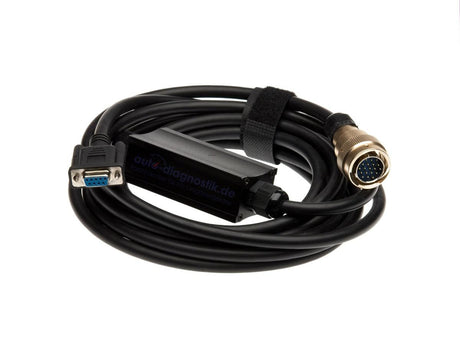
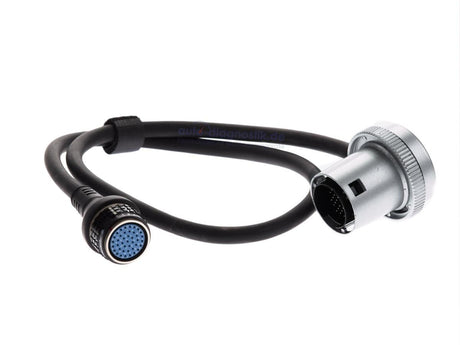
Mercedes Star Diagnose C3 Kabel Multiplexer Verbindung RS232 RS485
9900 €Grundpreis /Nicht verfügbar-
GM Tech
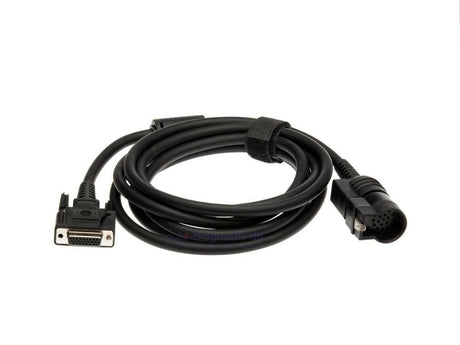
GM TECH2 Hauptkabel Diagnosekabel für Opel Saab Chevrolet TECH2
7900 €Grundpreis /Nicht verfügbar -
GM Tech
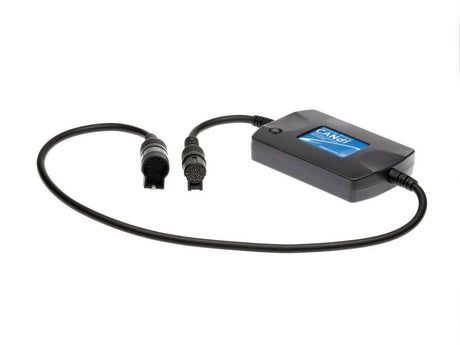
GM Tech 2 CANDI Modul CAN Interface Opel Saab Chevrolet Diagnose
14900 €Grundpreis /Nicht verfügbar 
VAG
VW VAG Actia 4401202 USB Modul PTG3 für ODIS VAS6154 Diagnose
24900 €Grundpreis /Nicht verfügbar-
GM Tech
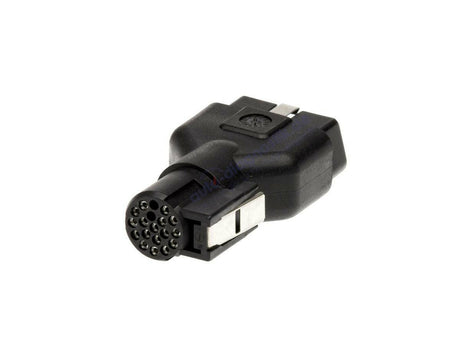
GM TECH 2 OBD1 OBD2 16PIN Adapterstecker für Opel Tech Gm Tech 2 OPEL GM
4900 €Grundpreis /Nicht verfügbar -
Bosch KTS Opel
Bosch KTS Opel 10Pin Adapterkabel auf 6 Bananenstecker Neu
1900 €Grundpreis /Nicht verfügbar -
Bosch KTS BMW
Bosch KTS BMW 20Pin OBD1 OBD2 Adapterkabel auf 7 Bananenstecker Neu
1900 €Grundpreis /Nicht verfügbar -
Bosch KTS Sprinter
Bosch KTS LT Sprinter 14Pin OBD1 OBD2 Adapterkabel auf 10 Bananenstecker NEU
1900 €Grundpreis /Nicht verfügbar -
Bosch KTS Renault
Bosch KTS Renault 12Pin OBD1 OBD2 Adapterkabel auf 7 Bananenstecker NEU
1900 €Grundpreis /Nicht verfügbar -
Bosch KTS VAG
Bosch KTS Volkswagen 2x2 Pin OBD1 OBD2 Adapterkabel auf 4 Bananenstecker NEU
1900 €Grundpreis /Nicht verfügbar -
BMW Motorrad
Bosch KTS Fiat 3Pin OBD1 OBD2 Adapterkabel auf 4 Bananenstecker NEU
1900 €Grundpreis /Nicht verfügbar -
Bosch KTS BMW
Bosch KTS GM 12Pin OBD1 OBD2 Adapterkabel auf 6 Bananenstecker NEU
1900 €Grundpreis /Nicht verfügbar -
Bosch KTS
Bosch KTS UNI 4 Adapterkabel auf 16Pin OBD1 OBD2 Diagnosegerät Bosch KTS
1900 €Grundpreis /Nicht verfügbar -
Bosch KTS
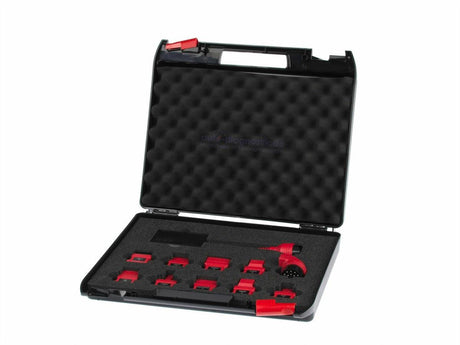
Bosch KTS Adapterkabel Set 8 Stück VAG MB BMW OPEL GM FIAT NEU
12900 €Grundpreis /Nicht verfügbar -
Mercedes Benz
Mercedes Benz SD CONNECT C4 38Pin OBD1 OBD2 Star Diagnose
11900 €Grundpreis /Nicht verfügbar -
Mercedes Benz
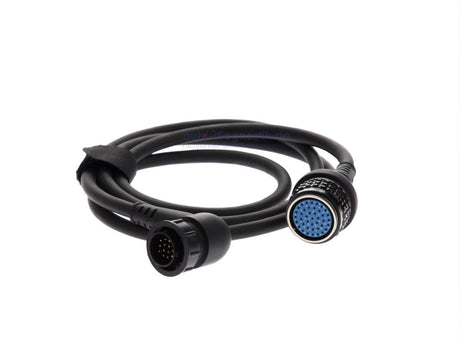
Mercedes Benz SD CONNECT C4 14Pin OBD1 OBD2 LT Sprinter Star Diagnose
11900 €Grundpreis /Nicht verfügbar -
Mercedes Benz
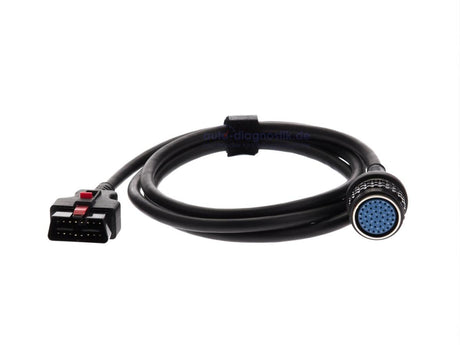
Mercedes Benz SD CONNECT C4 16Pin OBD2 Star Diagnose
14900 €Grundpreis /Nicht verfügbar -
-
Panasonic
Original Panasonic Toughbook Ladekabel für CF-D1, CF-19, CF-54, CF-53, CF-20 uvm
7900 €Grundpreis /Nicht verfügbar -
Ausverkauft
Peugeot Citroen
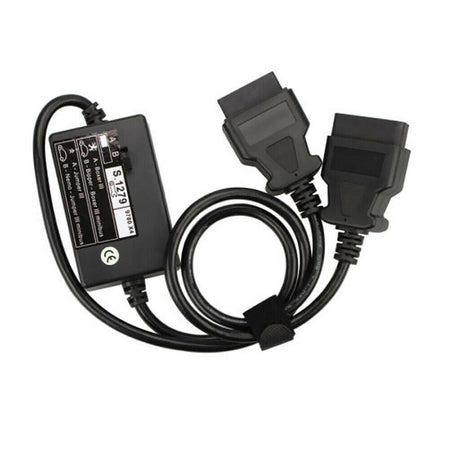
S1279 Modul S.1279 Obd2 Stecker Buchse Kabel Konverterkabeladapter
7900 €Grundpreis /Nicht verfügbar  Ausverkauft
VAG
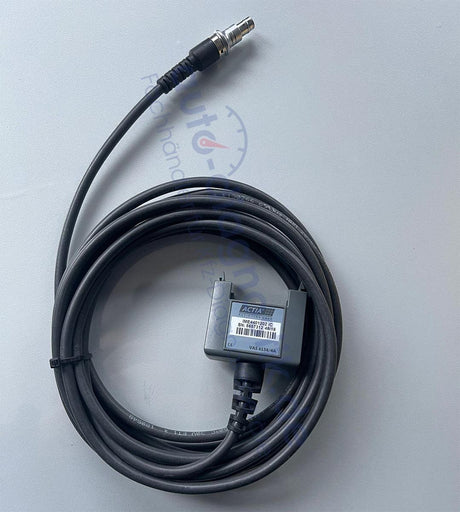
Original VW VAG Actia 4401202 Fischer USB-Modul 4Pin für VAS 6154A ODIS NEU
34900 €Grundpreis /Nicht verfügbar
Tesla
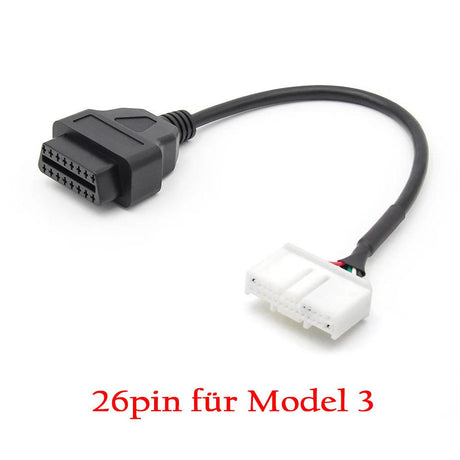
Tesla 26Pin auf 16pin Y OBD2 Diagnose Stecker Kabel für Tesla Model 3 NEU
1999 €Grundpreis /Nicht verfügbar-
-
Tesla
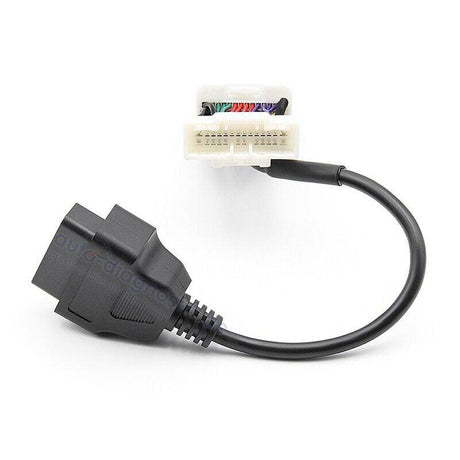
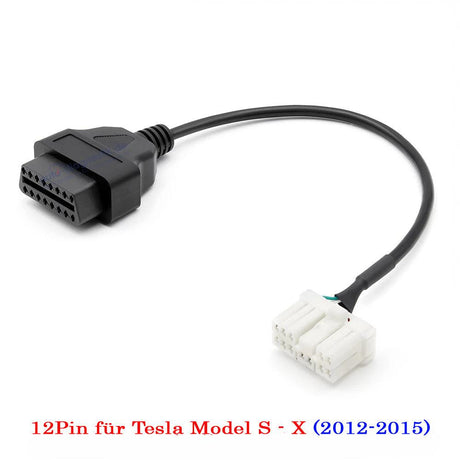
Tesla Model S - X OBD2 12pin auf 16pin Diagnose Stecker Kabel 2012-2015
1999 €Grundpreis /Nicht verfügbar




Weitere Informationen
Vorteile von Case Diagnosegeräten
Vorteile von Case Diagnosegeräten
Case Diagnosegeräte ermöglichen eine schnelle Analyse der elektronischen Systeme moderner Baumaschinen. Fehlercodes können direkt aus den Steuergeräten ausgelesen und Live-Daten während des Betriebs überprüft werden. Dadurch lassen sich Probleme frühzeitig erkennen und gezielt beheben. Werkstätten profitieren von einer deutlich schnelleren Fehlersuche und effizienteren Wartungsprozessen.
Diagnosefunktionen für Case Maschinen
Diagnosefunktionen für Case Maschinen
Mit einem professionellen Diagnosegerät können zahlreiche Systeme von Case Baumaschinen überprüft werden. Dazu gehören unter anderem Motorsteuerung, Hydrauliksysteme und elektronische Sensoren. Techniker können Fehlercodes auslesen, Systemtests durchführen und verschiedene Wartungsfunktionen ausführen.
Elektronische Systeme moderner Case Baumaschinen
Elektronische Systeme moderner Case Baumaschinen
Moderne Case Maschinen verfügen über komplexe elektronische Steuergeräte, die viele wichtige Funktionen überwachen. Dazu gehören Motorleistung, Abgasnachbehandlung, Hydrauliksteuerung und Sicherheitssysteme. Ein spezialisiertes Diagnosegerät ermöglicht den Zugriff auf diese Systeme und unterstützt eine präzise Analyse der Fahrzeugdaten.
Wartung und Fehlerdiagnose bei Case Baumaschinen
Wartung und Fehlerdiagnose bei Case Baumaschinen
Eine regelmäßige Diagnose hilft dabei, Probleme frühzeitig zu erkennen und größere Schäden zu vermeiden. Mit einem passenden Case Diagnosegerät können Servicetechniker Wartungsarbeiten schneller durchführen und Fehlerquellen präzise identifizieren. Dadurch bleibt die Maschine länger einsatzbereit und ungeplante Stillstände werden reduziert.
OBD Adapter und OBD Stecker – Professionelle OBD2 Adapterkabel für PKW, LKW und Motorräder
Die moderne Fahrzeugdiagnose basiert auf einer zuverlässigen Datenübertragung zwischen Fahrzeug und Diagnosegerät. Entscheidend für eine fehlerfreie Kommunikation ist ein hochwertiger OBD Adapter bzw. ein robuster OBD Stecker. Bei auto-diagnostik.de findest du eine breite Auswahl an OBD2 Adapterkabeln, die für verschiedenste Fahrzeugtypen geeignet sind – darunter PKW, LKW und Motorräder. Unsere Produkte ermöglichen eine präzise Fehleranalyse und eine effektive Wartung auf professionellem Niveau.
Ob Werkstattbetrieb, mobiler Service oder ambitionierter Hobbyschrauber – mit dem passenden OBD Stecker sorgst du für eine stabile Verbindung zwischen der OBD2-Schnittstelle des Fahrzeugs und deinem Diagnosesystem. Unsere Adapter und Stecker sind robust verarbeitet, einfach anzuwenden und mit nahezu allen gängigen Fahrzeugmarken kompatibel.
Was ist ein OBD Adapter oder OBD Stecker?
Ein OBD Adapter ist ein physisches Verbindungselement, das die Diagnosehardware (z. B. ein Diagnosegerät oder einen Laptop) mit dem Fahrzeug verbindet. OBD steht für „On-Board-Diagnose“. Seit 2001 bei Benzin- und seit 2004 bei Dieselfahrzeugen in der EU Pflicht, ist die sogenannte OBD2-Schnittstelle bei fast allen Fahrzeugen ab Baujahr 1996 vorhanden. Sie befindet sich in der Regel unter dem Lenkrad oder im Bereich der Mittelkonsole.
Ein OBD Stecker ist entweder direkt an ein Diagnosegerät angeschlossen oder über ein Adapterkabel mit diesem verbunden. Er ermöglicht das Auslesen von Fehlercodes (DTCs), das Zurücksetzen von Serviceintervallen, die Anzeige von Echtzeitdaten und in vielen Fällen sogar Codierungen und Steuergeräteprogrammierungen. Wer ein Fahrzeug diagnostizieren möchte, kommt an einem hochwertigen OBD Stecker nicht vorbei, da er die Basis für eine zuverlässige Verbindung darstellt.
Warum ist ein hochwertiger OBD Adapter wichtig?
Nicht alle OBD Stecker sind gleich. Minderwertige Adapter können zu Datenübertragungsfehlern führen, die Diagnose verzögern oder schlimmstenfalls sogar das Fahrzeug beschädigen. Ein billiger OBD Stecker spart kurzfristig Kosten, kann aber langfristig Fehlinterpretationen oder sogar Defekte verursachen.
Die OBD Adapter von auto-diagnostik.de zeichnen sich durch eine hohe Verarbeitungsqualität, zuverlässige Signalübertragung und Langlebigkeit aus – ideal für den professionellen Einsatz in Werkstätten oder für die sichere Anwendung zu Hause. Unsere Produkte sind auf die Anforderungen moderner Fahrzeuge ausgelegt und unterstützen sowohl einfache OBD2-Diagnosen als auch komplexe herstellerspezifische Kommunikationsprotokolle wie CAN, K-Line, J1850 oder ISO9141.
Vorteile unserer OBD Adapter und OBD Stecker
Einsatzbereich PKW, LKW und Motorrad
Unsere OBD Stecker sind vielseitig einsetzbar – nicht nur in PKW, sondern auch in Transportern, Nutzfahrzeugen, LKW und Motorrädern mit OBD2-Schnittstelle. Damit deckst du mit nur einem Adapter eine breite Fahrzeugpalette ab und profitierst von maximaler Flexibilität bei der Diagnose.
Stabile Verbindung
Unsere Adapterkabel sorgen für eine sichere und verlustfreie Datenübertragung zwischen Diagnosegerät und Fahrzeug. Dank hochwertiger Materialien und präziser Verarbeitung werden Kommunikationsabbrüche vermieden. Ein professioneller OBD Stecker sorgt dafür, dass du stets verlässliche Diagnosedaten erhältst – ohne Störungen oder fehlerhafte Signale.
Live-Datenübertragung
Mit unseren OBD Adaptern lassen sich wichtige Fahrzeugdaten in Echtzeit anzeigen. Dazu gehören Motordrehzahl, Temperatur, Luftmassenstrom, Batteriespannung und viele weitere Sensorwerte. Gerade ein stabiler OBD Stecker macht den Unterschied, wenn es darum geht, Live-Daten ohne Unterbrechung auszulesen.
Servicefunktionen
Je nach verwendetem Diagnosegerät unterstützen unsere Adapter zahlreiche Zusatzfunktionen. Dazu zählen das Zurücksetzen von Serviceintervallen, DPF-Regeneration, Ölwechsel-Rückstellungen und das Anlernen neuer Batterien. Mit dem passenden OBD Stecker lassen sich diese Funktionen komfortabel und sicher nutzen.
Robuste Verarbeitung
Unsere OBD Stecker und Adapterkabel sind speziell für den Einsatz unter harten Bedingungen entwickelt. Sie sind beständig gegenüber Hitze, Kälte, Öl, Feuchtigkeit und mechanischer Beanspruchung. Gerade im täglichen Werkstattalltag ist ein widerstandsfähiger OBD Stecker unverzichtbar.
Einfache Anwendung
Alle unsere Adapter lassen sich ohne technische Vorkenntnisse verwenden. Einfach anschließen und direkt mit der Diagnose beginnen – dank Plug-and-Play-Prinzip sind keine zusätzlichen Treiber oder Installationen nötig. Mit einem OBD Stecker von auto-diagnostik.de ist die Anwendung schnell, unkompliziert und zuverlässig.
Kompatible Fahrzeugmarken
Unsere OBD Adapter und OBD Stecker sind mit nahezu allen bekannten Fahrzeugherstellern kompatibel. Eine Auswahl:
-
PKW: Audi, BMW, Mercedes-Benz, VW, Skoda, Seat, Opel, Ford, Renault, Peugeot, Citroën, Toyota, Honda, Nissan, Hyundai, Kia, Mazda, Fiat, Subaru, Mitsubishi, Volvo
-
LKW und Nutzfahrzeuge: MAN, Scania, Mercedes-Benz Trucks, Renault Trucks, Iveco, DAF, Volvo Trucks
-
Motorräder: BMW Motorrad, Yamaha, Honda, Suzuki, Kawasaki, KTM
Zusätzlich findest du bei uns spezielle Adapter für herstellerspezifische Diagnoseanschlüsse, zum Beispiel 20-polige BMW-Adapter, 38-polige Mercedes-Adapter oder spezielle OBD1/OBD2-Konverter für Oldtimer und Importfahrzeuge.
Typische Anwendungsbereiche
Ein OBD Adapter ist vielseitig einsetzbar – hier einige Beispiele:
-
Fehlercode-Auslesung (DTCs) und -Löschung
-
Überwachung von Live-Daten und Sensordaten
-
Rückstellung von Serviceintervallen und Inspektionen
-
Diagnose von ABS-, Airbag- und Getriebesystemen
-
Anlernen von Bauteilen oder Steuergeräten (je nach Gerät)
-
Software-Updates, Codierungen und Programmierungen bei speziellen Diagnosesystemen
Ein hochwertiger OBD Stecker ist für all diese Anwendungsbereiche die entscheidende Grundlage. Nur mit einem professionellen Stecker lassen sich diese Aufgaben zuverlässig durchführen.
Für wen sind unsere OBD Adapter geeignet?
Unsere OBD2 Adapterkabel richten sich an ein breites Publikum:
-
Freie und markengebundene Kfz-Werkstätten
-
Fahrzeughändler, Prüforganisationen und Importeure
-
Pannendienste und mobile Diagnoseanbieter
-
Fahrzeugverwerter und Aufbereiter
-
Private Anwender mit technischem Interesse
-
Flottenbetreiber und Fuhrparkmanager
Ob Profi-Werkstatt oder Privatanwender – ein hochwertiger OBD Stecker ist in allen Fällen die Grundlage für eine sichere und präzise Diagnose.
Kaufberatung – den richtigen OBD Adapter wählen
Folgende Fragen helfen dir, den passenden Adapter zu finden:
-
Welche Fahrzeugmarke und welches Baujahr sollen ausgelesen werden?
-
Wird ein universeller oder markenspezifischer Adapter benötigt?
-
Unterstützt dein Diagnosegerät den gewünschten OBD Stecker?
-
Möchtest du zusätzliche Funktionen wie Codierung oder Programmierung nutzen?
-
Wird eine kabellose Verbindung (Bluetooth/WLAN) oder eine feste Kabelverbindung bevorzugt?
Unser Team hilft dir gern bei der Auswahl – kontaktiere uns einfach per E-Mail oder telefonisch. Mit der richtigen Beratung findest du schnell den passenden OBD Stecker für dein Fahrzeug.
Warum bei auto-diagnostik kaufen?
auto-diagnostik.de ist dein Fachhändler für professionelle Fahrzeugdiagnose. Wir bieten:
-
Große Auswahl an geprüften OBD2-Adaptern und Diagnosezubehör
-
Technischen Support und individuelle Beratung
-
Sicheren Versand und faire Preise
-
Kompatibilität mit führenden Diagnosemarken
-
Langjährige Erfahrung im Bereich Fahrzeugdiagnose
Wir wissen, worauf es bei der Auswahl des passenden OBD Steckers ankommt – deshalb testen wir unsere Produkte vor Aufnahme ins Sortiment ausführlich auf Praxistauglichkeit und Kompatibilität.
OBD Adapter und OBD Stecker von auto-diagnostik – Die zuverlässige Verbindung zur Fahrzeugdiagnose
Ein hochwertiger OBD Stecker ist das Herzstück jeder modernen Fahrzeugdiagnose. Er stellt sicher, dass dein Diagnosesystem alle relevanten Fahrzeugdaten zuverlässig auslesen und verarbeiten kann. Mit den OBD2 Adapterkabeln von auto-diagnostik.de triffst du die richtige Wahl für eine schnelle, sichere und professionelle Verbindung zwischen Diagnosegerät und Fahrzeug.
Entdecke jetzt unser umfangreiches Sortiment an OBD Adaptern und Steckern – für PKW, LKW und Motorräder. Qualität, auf die du dich verlassen kannst.